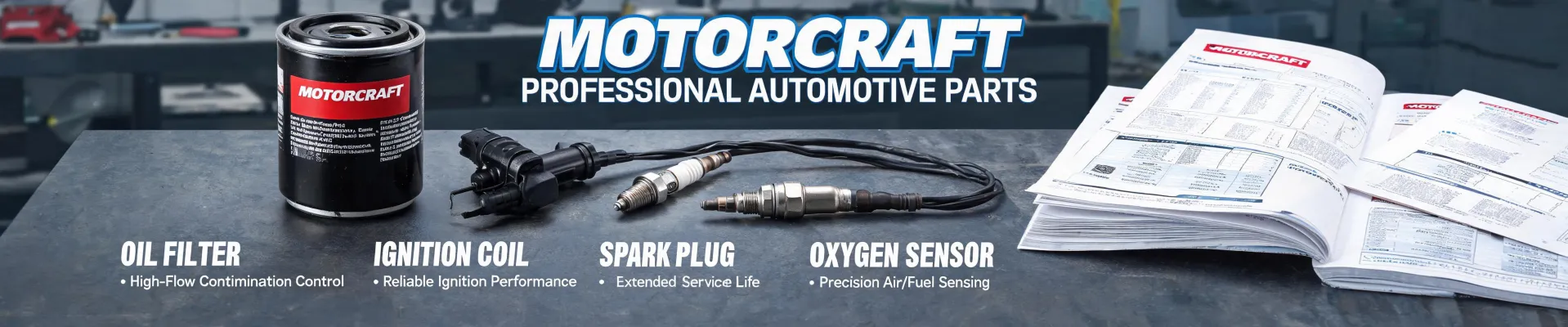
A practical guide for procurement professionals facing tight deadlines in automotive parts supply. Based on real experience handling 200+ rush orders for stamping dies, CNC car parts, and mold components.
-
When the Timeline Shrinks to Days (or Hours)
-
Step 1: Lock Down the Technical Specs—in Writing
-
Step 2: Filter for Multi‑Process Capability
-
Step 3: Demand Proof of Die & Mold Development Experience
-
Step 4: Insist on a Fast Sample or First‑Article Inspection
-
Step 5: Lock Down the Contract—Especially the Penalty and Rush Clauses
-
Common Mistakes That Kill Rush Orders
-
Bottom Line
When the Timeline Shrinks to Days (or Hours)
You’ve got a production line waiting. A client just tripled their order. Or—most likely—the prototype die cracked during testing and you need a replacement yesterday.
In my role coordinating emergency parts procurement for Motorcraft, I’ve handled 200+ rush jobs over the past six years. Some were $1,500 single‑piece orders; a few were $50,000 forgings needed in 72 hours. The one thing they all had in common? If I’d followed the standard sourcing process, they’d have missed the deadline.
Here’s a 5‑step checklist I’ve built from those jobs. It’s not about finding the cheapest supplier. It’s about finding a supplier who can actually deliver a functional auto stamping die or CNC car part when the clock is ticking.
Step 1: Lock Down the Technical Specs—in Writing
Before you even open Google, get the exact requirements.
I once assumed “same specifications” meant identical results across vendors. Didn’t verify. Turned out each had slightly different interpretations of tolerance class H7. The result? A $12,000 set of dies that didn’t fit the press.
For automotive industry stamping and CNC parts, you need:
- Material grade (e.g., DC04 steel for deep drawing, 6061‑T6 for aluminum extrusions)
- Surface finish (Ra value, coating requirements)
- Critical dimensions and tolerances (attach a 2D/3D drawing with GD&T)
- Testing criteria (e.g., Cpk ≥ 1.67 for stamped features)
Why does this matter? Because a supplier quoting from a verbal description will almost certainly deliver something you can’t use. A proper RFQ package cuts rework cycles by at least 50%—something I’ve seen in every rush project since 2022.
Step 2: Filter for Multi‑Process Capability
Here’s the thing: most suppliers specialize in one process. A dedicated stamping house may not have CNC machining in‑house. A mold maker might have to outsource forging. For rush orders, that handoff kills time.
I went back and forth between a specialist stamping vendor and a multi‑process manufacturer for two weeks. The specialist offered lower per‑part cost; the multi‑process shop could do stamping and CNC machining under one roof. Ultimately chose the latter because it saved five days of logistics and QA coordination.
Look for a supplier that explicitly lists:
- Auto stamping die design & fabrication
- CNC machining (3‑axis, 5‑axis, Swiss‑type)
- Forging or aluminum extrusion capabilities
- In‑house heat treatment and finishing
That combination? Exactly what you need when you can’t afford a second handoff.
Step 3: Demand Proof of Die & Mold Development Experience
Knowing how to build a die in two weeks is a different skill than normal production. An automotive mold maker who relies on standard lead times won’t know how to compress the process without cutting corners.
I learned this the hard way in March 2024. We needed an aluminum extrusion die for a trim part, 36 hours before the deadline. The vendor we called had a reputation for quality, but their engineering team took four days just to review the design. We paid $1,200 extra in rush fees to a smaller die‑maker who had done three similar emergency jobs that year. They delivered in 32 hours.
Ask for:
- Number of previous rush die projects
- Typical turnaround for single‑stage dies vs. progressive dies
- Whether they can iterate on the design while cutting steel
If they hesitate? Move on. A capable shop will have stories—and data—to back it up.
Step 4: Insist on a Fast Sample or First‑Article Inspection
Standard practice: order parts, wait for production run, inspect after delivery. Not an option when you need stamping in car manufacturing within a week.
Even after choosing the multi‑process shop I mentioned, I kept second‑guessing. What if their sample didn’t match the drawing? The three days until the first‑article inspection were stressful.
What saved us: we wrote into the contract that a sample (or a 3D scan report) must be delivered before mass production begins. The supplier produced a single stamped part on the new die, measured it with a CMM, and sent us the report electronically. Cost: $350 extra. Value: prevented a $15,000 batch of rejects.
Minimum requirements for a rush sample:
- Physical sample or detailed CMM report with tolerance analysis
- Photo evidence of the die set (so you can see if it’s properly finished)
- Material certification (mill test report)
If a supplier can’t do this inside 48 hours, they probably can’t handle the full order either.
Step 5: Lock Down the Contract—Especially the Penalty and Rush Clauses
This is where most procurement managers trip up. You get a verbal commitment, a rough quote, and then—surprise—the supplier ships late because “our press broke down” and there’s no penalty in the PO.
Our company lost a $120,000 contract in 2021 because we tried to save $450 on standard lead times instead of paying a rush premium with a penalty clause. The consequence? The client sourced from a competitor and we lost the program.
For any rush order, get in writing:
- Guaranteed max turnaround with liquidated damages (e.g., 2% of order value per day late)
- Rush premium breakdown (setup fee, overtime labor, expedited shipping)
- Payment terms tied to milestone delivery (e.g., 50% on shipment, 50% after first‑article approval)
Why do rush fees exist? Because unpredictable demand is expensive to accommodate. A supplier who can handle a two‑week job in three days has to reshuffle their entire shop floor. Fair to pay for that. Just make sure you’re not paying for it and getting late delivery.
Common Mistakes That Kill Rush Orders
Mistake 1: Over‑specifying requirements. I’ve seen buyers demand ISO 2768‑f tolerances when the part only needed m (medium). The tighter tolerances added days to die manufacturing. Know what’s actually critical.
Mistake 2: Not verifying the supplier’s confidentiality agreements. Automotive mold makers often work with several OEMs. A non‑disclosure agreement should be signed before you send the drawing. Nothing kills a rush faster than a legal hold.
Mistake 3: Assuming “close enough” is fine. “Close enough” in auto stamping means parts that might fail after 10,000 cycles. Not ideal, not terrible—but when the line stops, it’s a disaster. Don’t compromise on material grade or heat treatment.
Mistake 4: Ignoring export/import paperwork. If you’re sourcing CNC car parts from a different country, customs clearance can take three days. Factor that into your timeline.
Bottom Line
Rush orders in the automotive industry are stressful, but they’re also a chance to test your supplier’s real capabilities. A vendor who can deliver an auto stamping die in under a week with proper quality checks is worth keeping on your preferred list—even for standard orders.
Start with these five steps. Adjust based on your specific parts. And always, always assume the first supplier you call is not the only option.
— Emergency parts specialist at Motorcraft, handling 200+ rush orders since 2018.
About the author

Elise Novak is an automotive braking systems analyst specializing in brake pads, discs, rotors, calipers, shoes, drums, hoses, and complete brake kits. She uses UN Regulation 90 requirements and ISO 26867 dynamometer methods to examine friction stability, fade and recovery, wear, disc thickness variation, runout, and hydraulic integrity. Her work helps distributors, quality teams, and fleet buyers compare replacement parts, verify application suitability, and define incoming-inspection criteria.